Source Cummins Diesel Engine Cylinder Head for Heavy Duty Trucks
Find 22 options for the cummins diesel engine cylinder head, featuring iron and aluminum materials with casting or push technics. Compare OEM standard sizes, CE and ISO certifications, and 12-month warranties for reliable engine replacement and repair applications; compare the available evidence and request quotations based on your requirements.
Key considerations
Products List




Comprehensive Sourcing Guide
Cummins Diesel Engine Cylinder Head Sourcing Guide
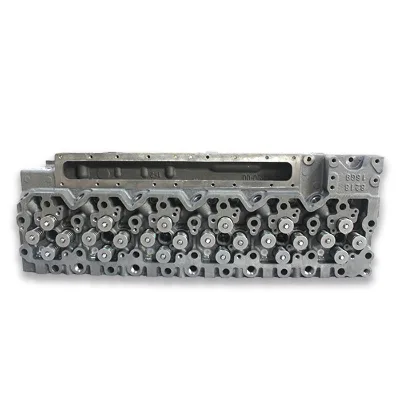
Procuring a Cummins diesel engine cylinder head requires careful attention to specific model numbers and material composition to ensure compatibility with heavy-duty applications. The market offers units constructed from iron or aluminum, with observed listings indicating a focus on replacement and repair purposes for engines featuring six cylinders and twenty-four valves. Buyers must verify that the component matches the exact engine assembly type, as variations in casting techniques and standard classifications can significantly impact performance and fitment.
When evaluating available inventory, it is essential to distinguish between standard and non-standard components, as this distinction dictates the manufacturing process and potential customization options. Listings often specify OEM standard sizes, yet some entries note non-standard classifications, requiring immediate verification against the original equipment manufacturer's blueprints. Understanding whether the part is designed for a specific Cummins engine assembly or a broader range of diesel engines is critical before initiating any purchase order to avoid costly installation errors.
Product Scope and Observed Listing Signals
The observed product range includes cylinder heads and blocks with specific model identifiers such as 4929518, 4936714, and 4941496, which serve as primary verification points for buyers. These items are frequently listed with dimensions ranging from compact units to larger assemblies weighing up to 564 pounds, necessitating precise logistical planning for shipping and handling. The packaging varies between wooden boxes, cases, and cartons, which influences the protection level during transit and the overall cost structure of the procurement process.
Buyers should note that while some listings claim new and original quality, others specify OEM quality standards, requiring a clear definition of what constitutes acceptable condition for the specific application. The origin of these components is primarily traced to mainland China, with specific provinces like Henan and Shandong frequently cited as production hubs. This geographic concentration suggests a robust supply chain but also necessitates rigorous due diligence regarding the specific factory capabilities and quality control measures employed by the supplier.
Technical Specifications to Verify
Technical verification must begin with the engine type, specifically confirming the diesel configuration with six cylinders and twenty-four valves to ensure the cylinder head matches the combustion chamber design. The casting technique is a critical attribute, as some listings specify casting while others mention push techniques, which may indicate different manufacturing origins or part generations. Buyers must cross-reference the model number, such as 4933352 or 5658283, against the engine serial number to guarantee that the valve train and port geometry align with the engine's operational requirements.
Dimensional accuracy is paramount, with observed specifications including lengths of 48 inches and widths of 24 inches for larger units, alongside smaller variants measuring 33.75 inches in length. Weight is another decisive factor, with listings ranging from 191 pounds to 564 pounds, directly affecting the structural integrity and mounting requirements of the engine assembly. Procurement teams must validate these physical attributes against the vehicle or machinery specifications to prevent mismatches that could lead to mechanical failure or improper sealing during operation.
Compliance and Safety Documentation
Compliance verification involves checking for recognized certifications such as CE, ISO, and TS, which indicate adherence to international quality and safety management systems. Some listings explicitly mention ISOCCC or TSIS standards, suggesting a higher level of regulatory scrutiny, while others may lack specific certification details. Buyers should request valid certification documents for each batch to ensure the components meet the safety and environmental regulations required for operation in their specific jurisdiction or industry sector.
Safety documentation also extends to the material composition, with iron and aluminum being the primary materials observed in the supply chain. The presence of these materials must be verified against the engine's thermal and mechanical stress requirements, as different alloys offer varying resistance to heat and wear. Ensuring that the material properties align with the engine's operating conditions is essential for maintaining long-term reliability and preventing catastrophic failures due to material fatigue or corrosion.
Cost Drivers and Commercial Terms
Cost drivers in this market are heavily influenced by the material type, with aluminum and iron components carrying different price points based on raw material volatility and processing complexity. The observed price range spans from 1 to 2000 USD, reflecting the diversity in part sizes, weights, and the level of customization available. Buyers must analyze the total cost of ownership, including shipping costs for heavy items like the 564-pound units, rather than focusing solely on the unit price to avoid unexpected budget overruns.
Commercial terms such as lead time and minimum order quantity (MOQ) are critical for supply chain planning, with observed lead times ranging from 7 to 10 days and MOQs as low as one unit. These terms allow for flexible procurement strategies but require careful coordination to ensure timely delivery for critical engine repairs. Negotiating clear terms regarding warranty periods, such as the observed 12-month coverage, and return policies for non-conforming goods is essential to mitigate financial risk during the procurement process.
Supplier Qualification and Quality Control
Supplier qualification should focus on verifying the production origin and the specific manufacturing capabilities of the facility, particularly regarding casting and customization services. The presence of customization options suggests that suppliers can adapt parts to specific needs, but this requires a robust quality control framework to ensure that modified components meet original design specifications. Buyers must assess the supplier's track record in producing parts for Cummins engine assemblies to confirm their ability to maintain consistent quality across different batches.
Quality control measures must include verification of the part condition, with listings often claiming "new" or "OEM" status. It is imperative to request detailed inspection reports or third-party test results to validate these claims, as the difference between a new original part and a refurbished unit can be significant. Establishing a clear protocol for receiving and inspecting goods upon arrival, including checks for physical damage and dimensional accuracy, is necessary to ensure that the supplied cylinder heads meet the required performance standards.
Long-Term Procurement Checks
Long-term procurement success depends on establishing a reliable supply chain that can consistently deliver parts with the correct model numbers and material specifications. Buyers should implement a system for tracking part performance over time, noting any recurring issues with specific model numbers or suppliers to inform future purchasing decisions. This data-driven approach helps in identifying reliable sources and avoiding suppliers who may compromise on quality or consistency over extended periods.
Regular audits of supplier documentation and certification status are essential to maintain compliance with evolving industry standards and regulations. As the market for diesel engine components continues to evolve, staying informed about changes in material standards and safety requirements ensures that the procurement strategy remains effective. Building a strong relationship with suppliers who demonstrate transparency and a commitment to quality will provide a competitive advantage in securing critical engine parts for ongoing maintenance and repair operations.
FAQs
How do I choose the right Cummins diesel engine cylinder head model?
Match the model number to your engine, such as 4929518, 4936714, 4933352, 4941496, 4941495, 5658283, or 3977225. Verify the cylinder head suits a six-cylinder, 24-valve diesel engine assembly and confirm the part is intended for replacement or repair. Providing your engine serial data to the supplier helps confirm fitment before ordering.
What materials are used for these Cummins diesel engine cylinder heads?
Listed cylinder heads are made from metal, with iron and aluminum appearing among the available material options. Iron heads are commonly paired with casting technics, while aluminum variants offer weight savings. Confirm the material for your specific model number before ordering, since material choice affects durability, heat management, and compatibility with your engine assembly.
Can I order a customized Cummins diesel engine cylinder head?
Yes, customization is available from listed suppliers. Non-standard components can be produced alongside standard replacements, and casting technics support tailored specifications. Provide drawings, model numbers such as 4929518 or 4936714, and required certifications like ISO or CE when requesting a quote so the factory can confirm feasibility, lead time, and packaging in a wooden box or carton.
What is the typical lead time and packaging for a Cummins cylinder head order?
Listed lead time is 7 to 10 days for available cylinder head models. Packaging options include wooden boxes, wooden cases, and carton cases, which protect cast metal parts during long-distance shipping. Lead times can vary with order quantity, customization requirements, and stock status, so confirm the schedule when requesting a quotation for your model number.
Which certifications should I look for when sourcing a cylinder head?
Common certifications across listed products include ISO, CE, TSCE, TSI, and CCC. ISO certification indicates a documented quality management system, while CE and CCC relate to applicable product compliance requirements. Ask suppliers to state which certifications apply to the specific cylinder head model you need, since certification coverage varies by model and factory.
What is the warranty and quality standard for these cylinder heads?
Listed cylinder heads carry a 12-month warranty and are offered as new and original or OEM quality parts. Standard component and non-standard component classifications both appear, with sizes matching OEM standard dimensions. Review warranty terms with each supplier before purchase, covering defect claims, replacement conditions, and whether warranty coverage depends on proper installation and usage.
How large and heavy are the listed Cummins cylinder heads?
Dimensions vary by model. One listing measures 48 inches long, 24 inches wide, and 17 inches high, weighing 564 lbs, while another measures 33.75 inches long, 14.19 inches wide, and 7 inches high, weighing 191 lbs. Check the dimension and weight details for your specific model number to plan freight, handling equipment, and installation.
Can I buy a single Cummins diesel engine cylinder head for repair?
Yes, minimum order quantities in the range of 1 to 10 pieces allow single-unit purchases for replacement or repair purposes. These heads are intended for Cummins engine assemblies, including six-cylinder, 24-valve diesel configurations. Confirm availability of your exact model number, condition, and warranty terms with the supplier before placing a low-quantity order.